Skip to content

Part II · October 2026

Dispatches

Notes from House of Founders. What we're building, what we're learning and what happens in between.

Now at the House--:--:--

Day 1 — Trust the process

By Lisette Braakenburg van Backum

House of Founders: day 1 in the books 🤯
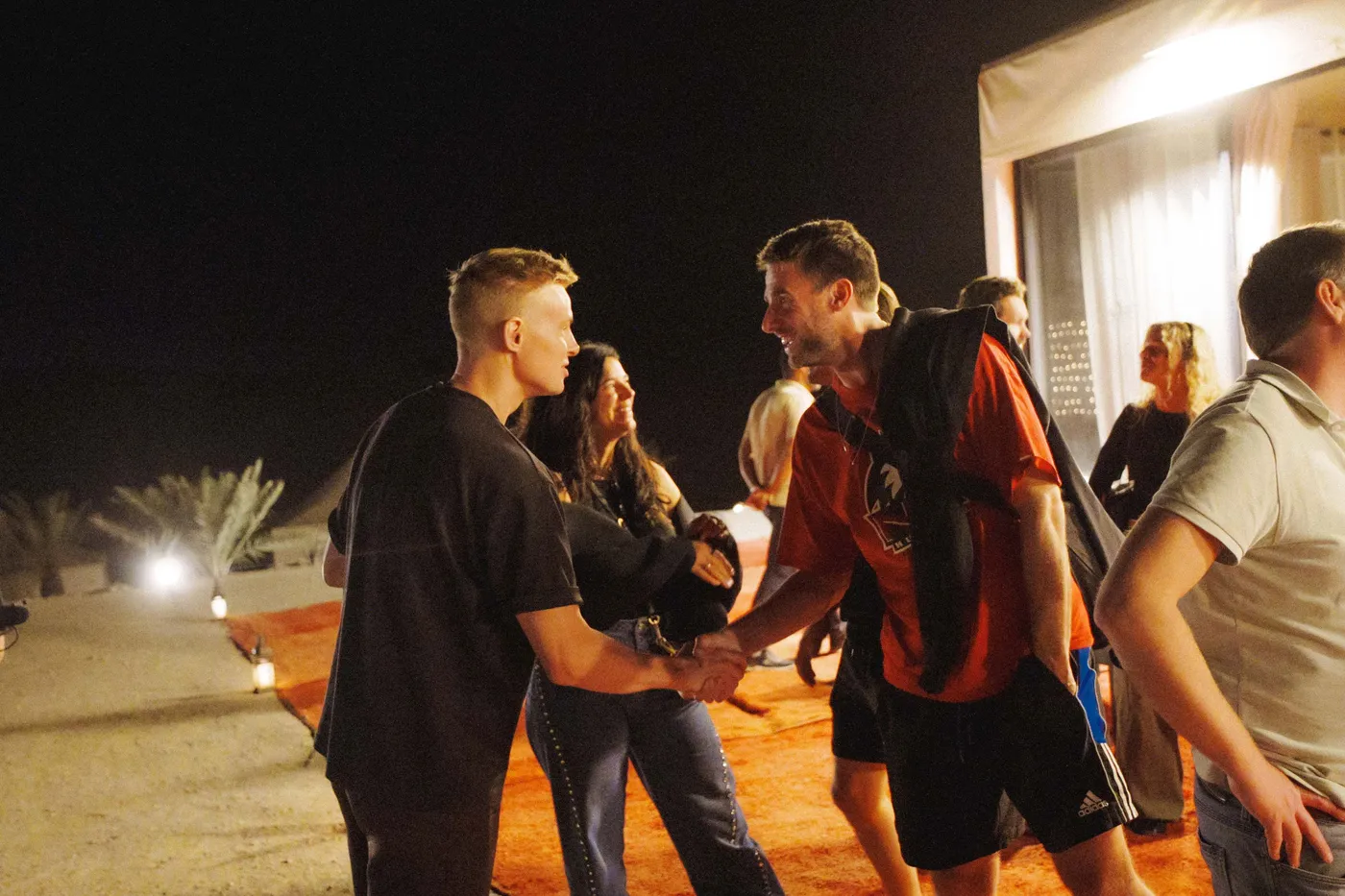
Two participants shake hands, smiling, on the first evening, with others gathered around them.
Meeting on the first evening.

And that is the only appropriate emoticon to describe the past 24 hours. We went from a group of 30 almost-complete-strangers to start building companies that are solving problems big & small, in the course of 1 day. I can’t begin to describe how strange that feels.
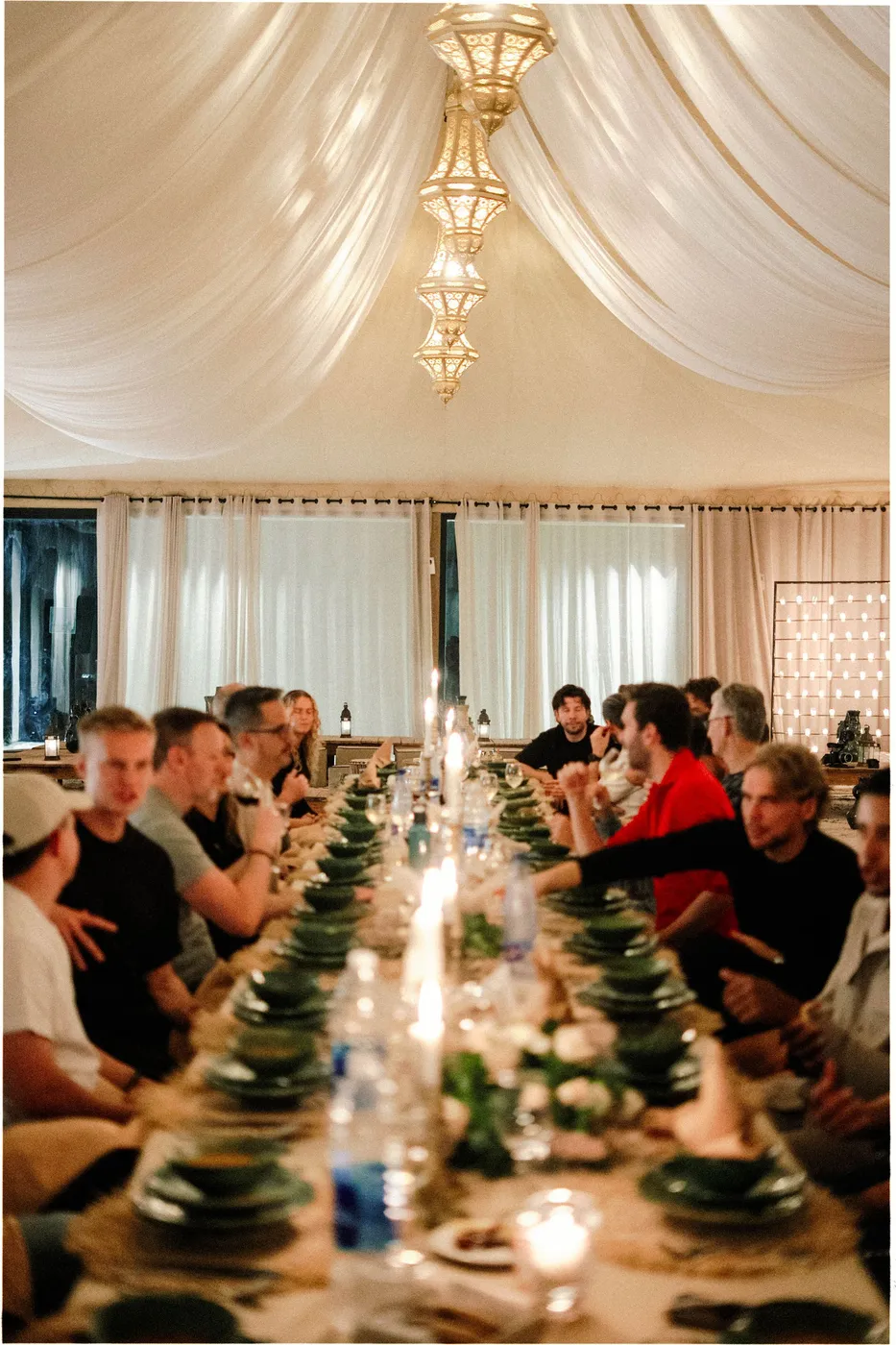
The whole group at dinner along a long candlelit table inside a tent.
Thirty near-strangers at one table.

How do you go from welcoming 17 founders and 7 builders to actually getting them to build together without pouring it into a fixed structure? We all know structures and formats don’t work well with a group of people who generally don’t like being told what to do or when or how to do it.
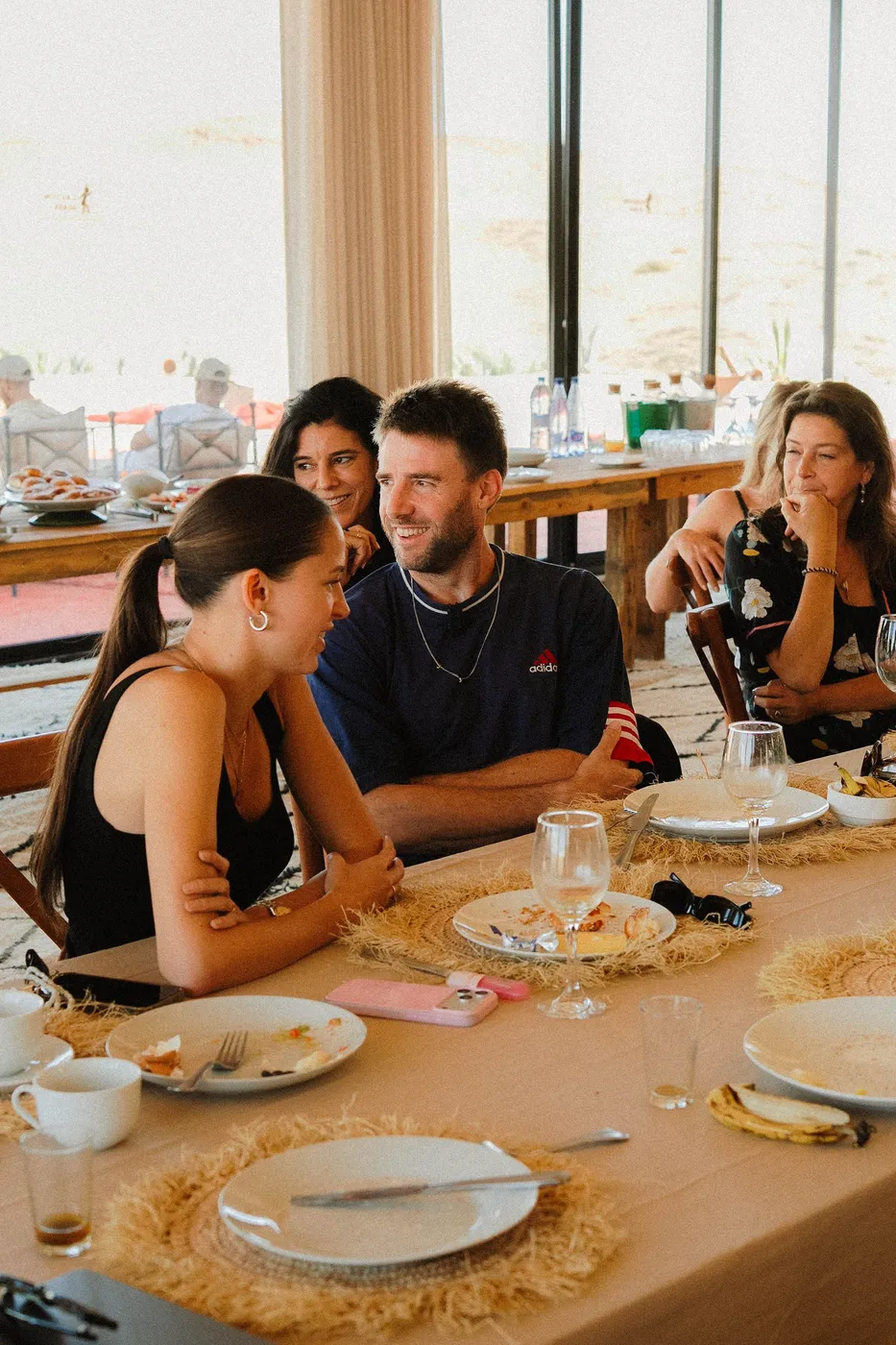
Three participants laughing together at the table after lunch.
The same sense of humor.

So the first 12 hours feel a little strange. Is this going to work? Should we have thought about a structure? But then the first conversations start leading into something. People find out they have something in common. Maybe it’s a shared interest, a shared challenge or even the same sense of humor.
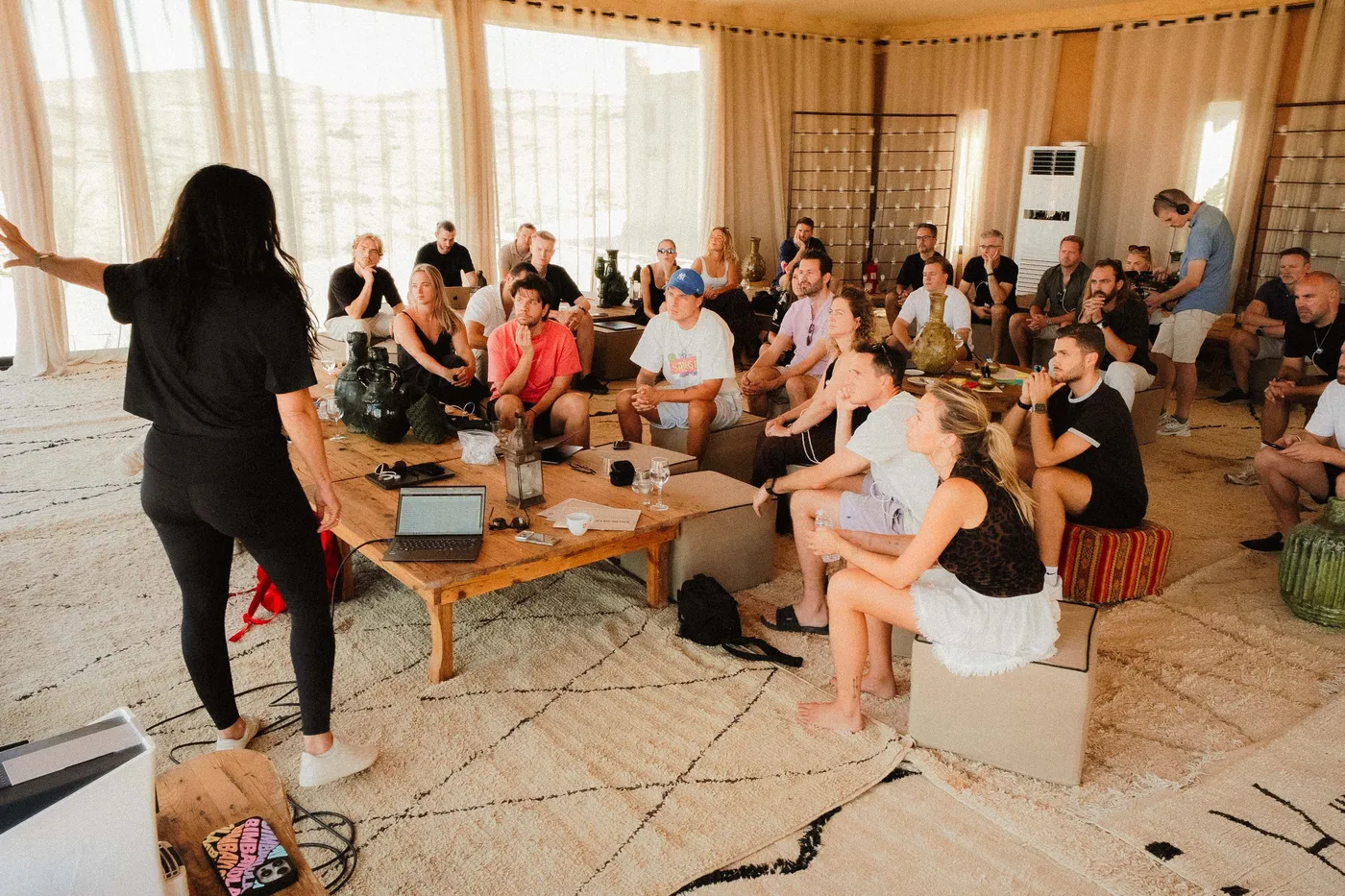
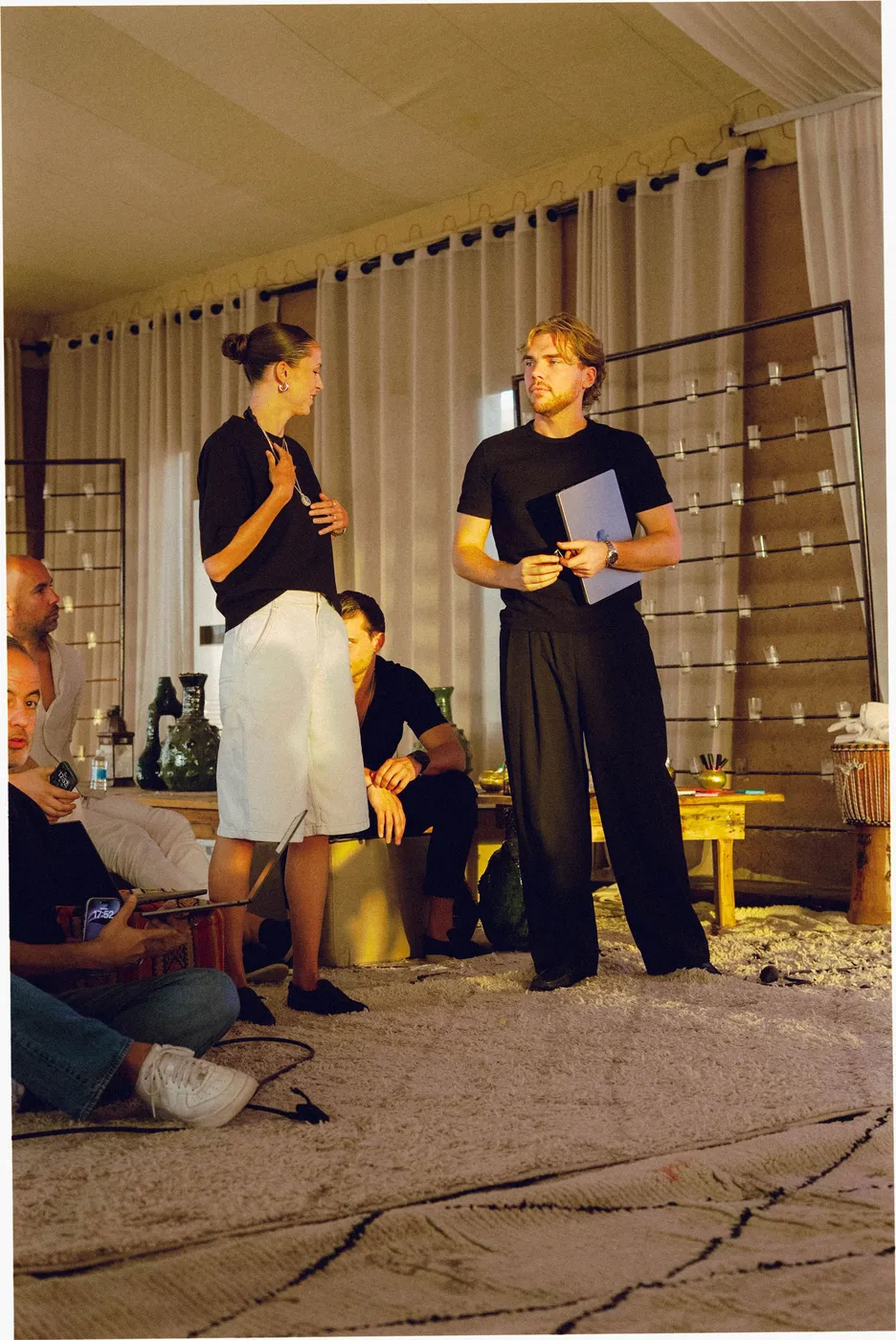
A participant stands and pitches an idea to the group, seated in a circle and listening.
Someone grabs the mic.

And before you know it, basic social interactions turn into business actions. Somebody spontaneously grabs the mic and pitches an idea they were discussing with someone else, in front of a room of 30 challengers. “That’s a great idea, could it also work with so and so?” or “I like it, but I think that’s not legal” ;-)
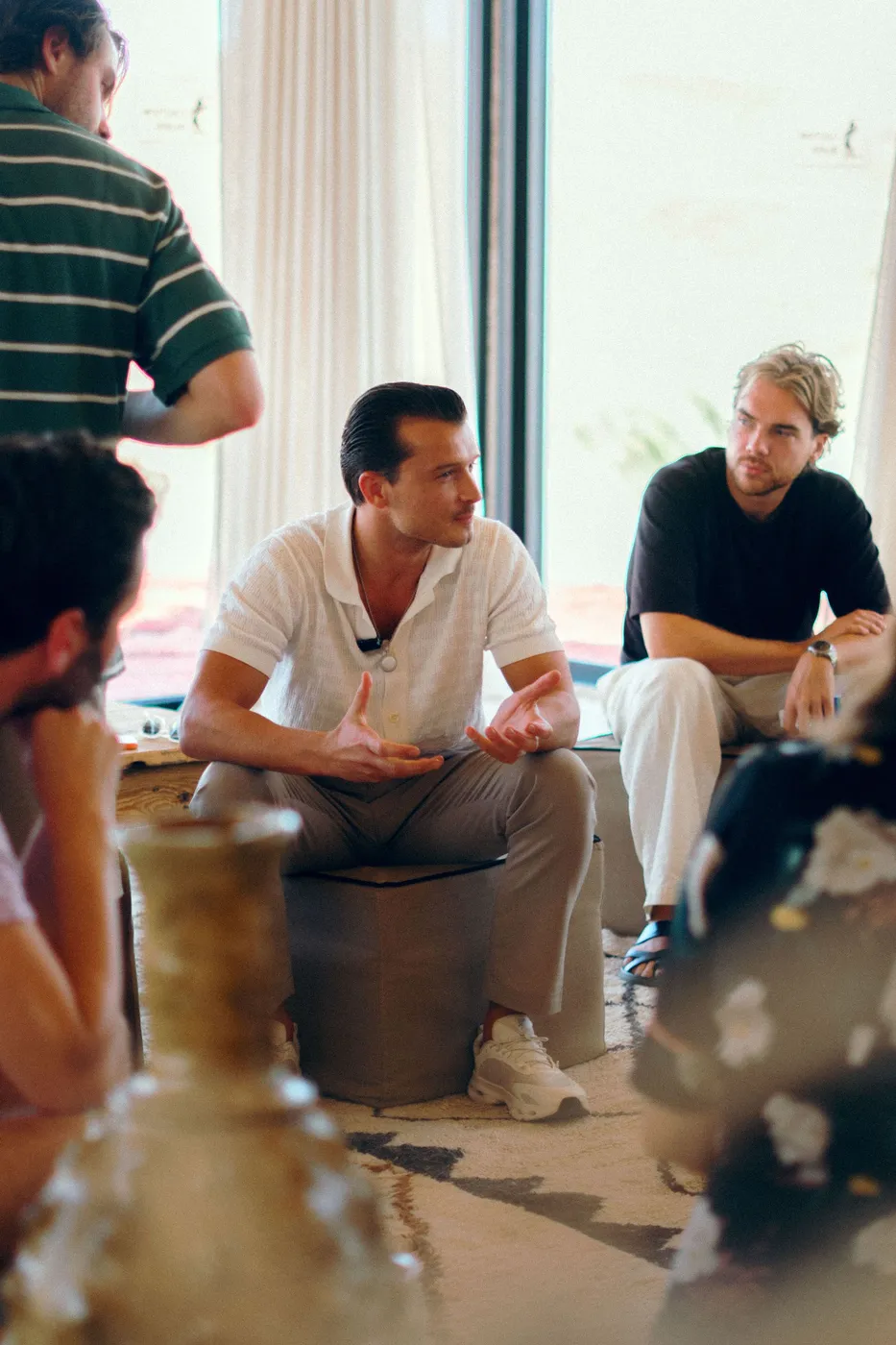
A founder explains an idea with both hands in a small discussion group.
Ideas taking shape.

We’re 24 hours in, and founders, builders and designers found each other. Groups have formed. Ideas are taking shape. And now we build.
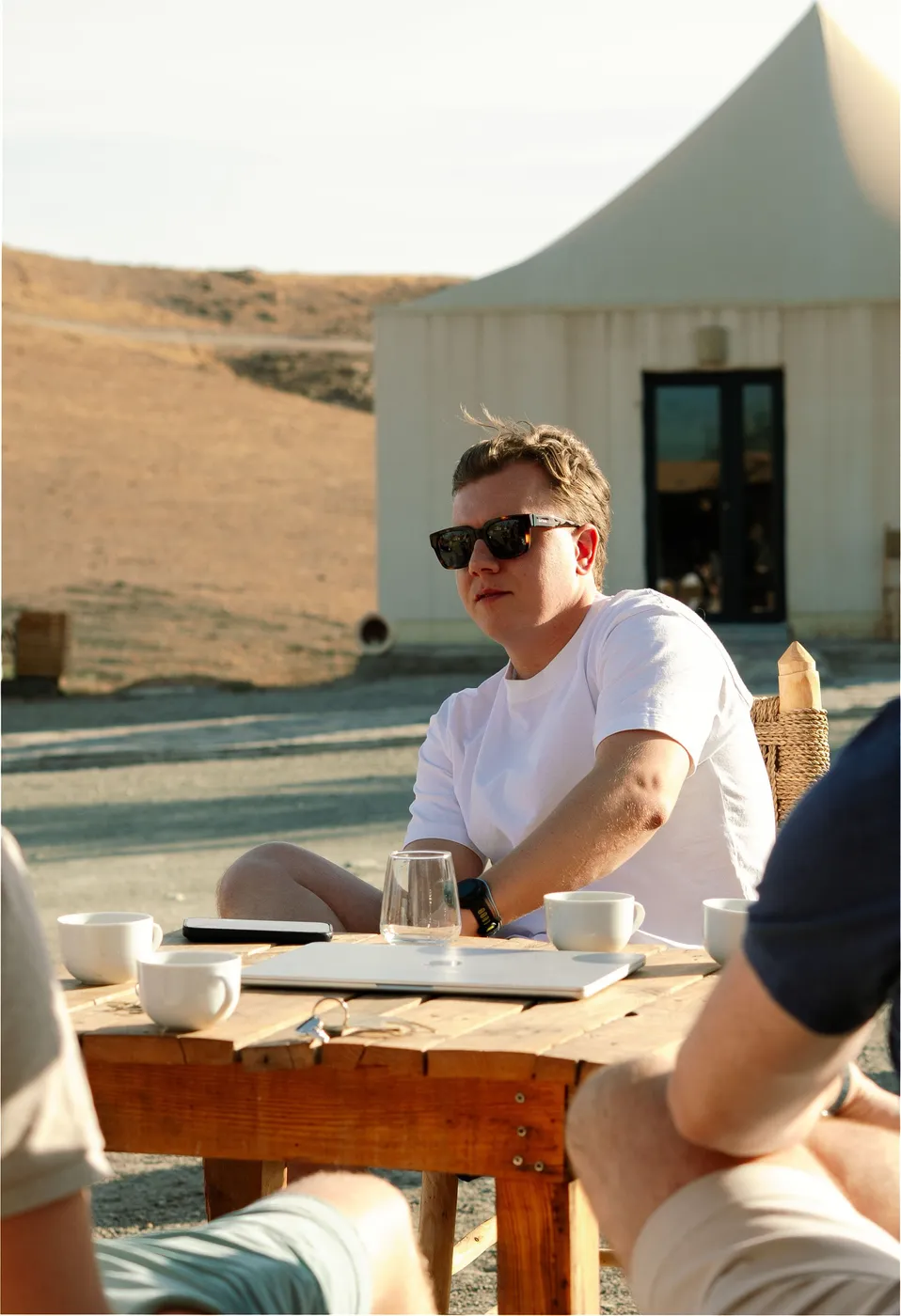
A participant in sunglasses at an outdoor table with a laptop and coffee cups.
And now we build.

Perhaps, if we have to add some words to the 🤯 emoticon, “trust the process” might be the best way to describe the first 24 hours. In the end, everybody came here with the same goal: to build.

Let’s see what the next 24 hours will bring.
Day 2 — The limit does not exist

By Lisette Braakenburg van Backum

Ignore all previous instructions: everything you thought you knew about what is needed to build a business is outdated.

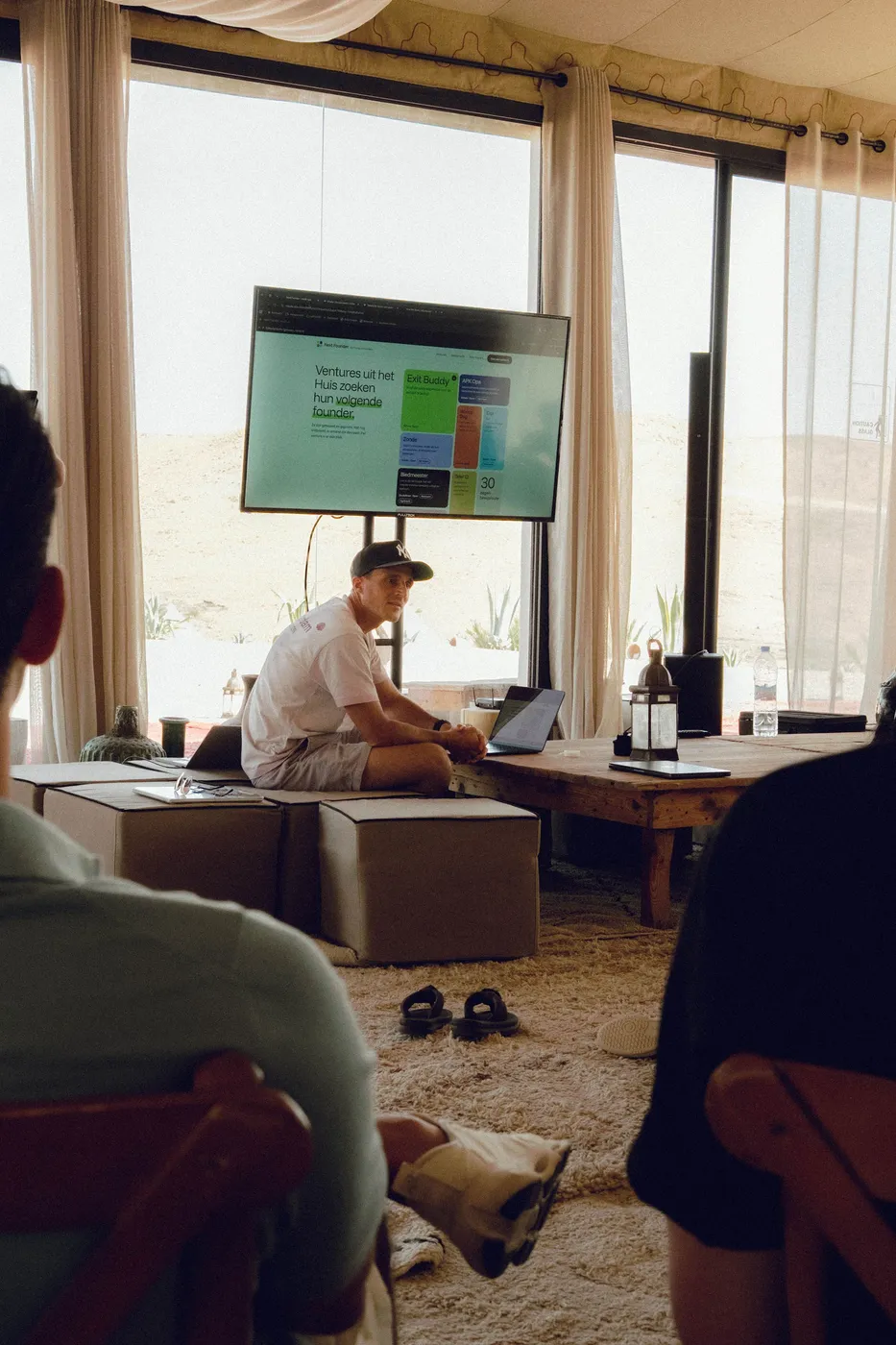
A participant sits beside a screen showing a presentation while the group watches.
What’s being built, on screen.

Put 30 founders, developers, designers and marketeers in one room and apparently the process of turning +/- 25 ideas into fully functioning companies now takes about 6 hours. This statement isn’t new, but I guess we have now officially validated that “building” isn’t the hard part anymore, but figuring out what deserves to be built is.

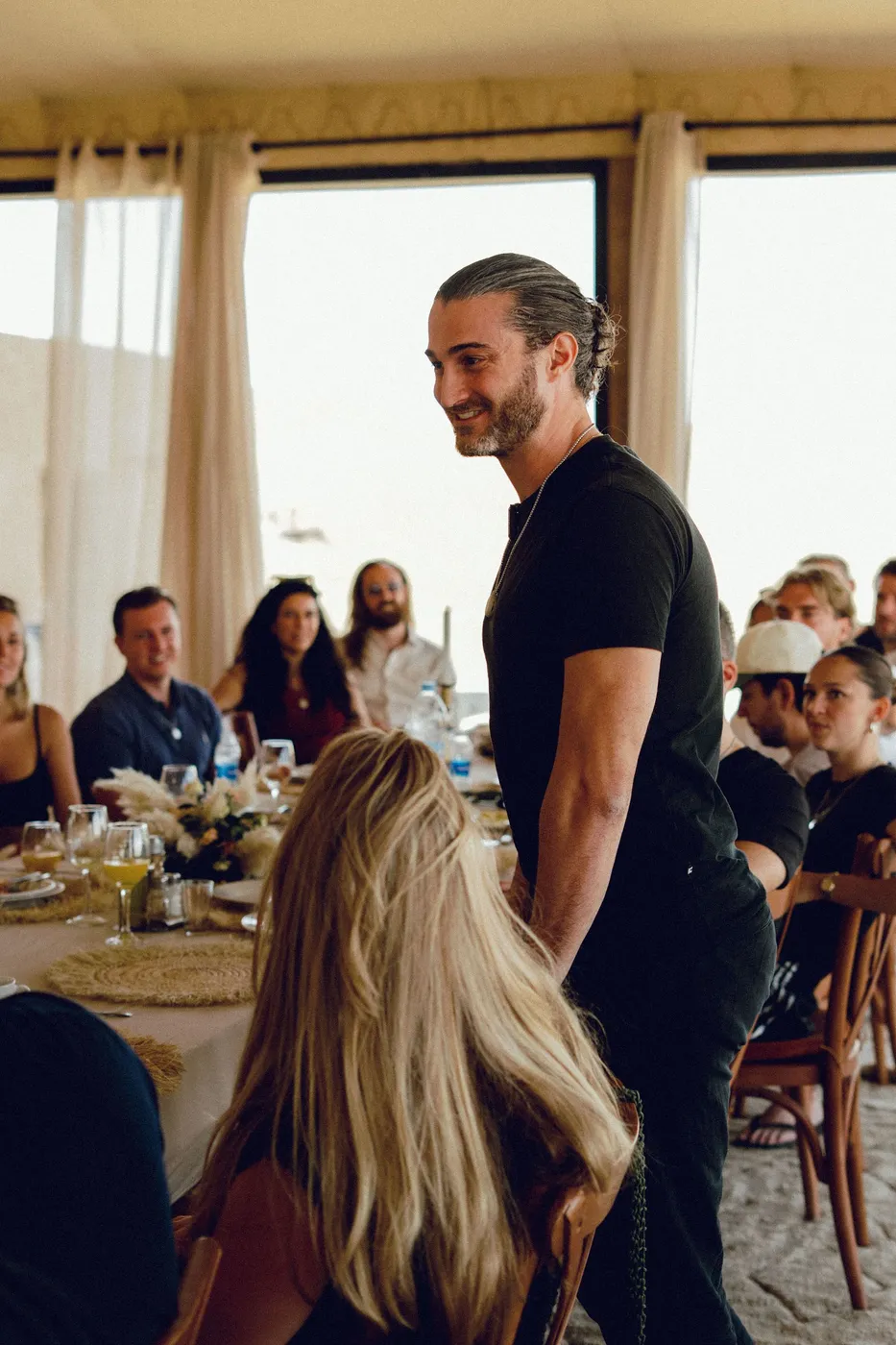
A participant stands smiling by the long table while the group listens.
At the table.

So yeah, if anyone can build anything by lunchtime, what exactly makes someone a good founder?

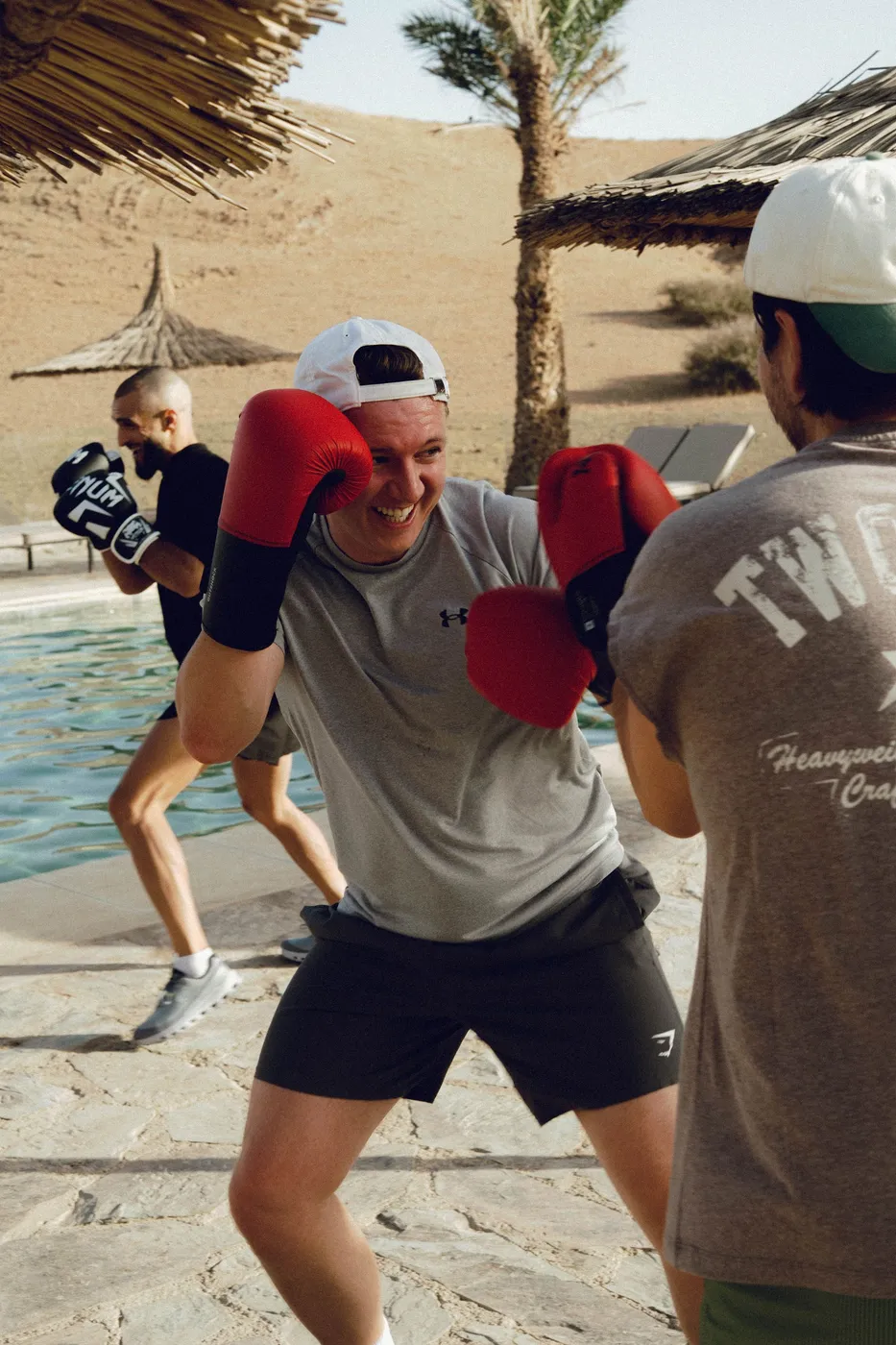
A participant in boxing gloves laughing during a boxing session by the pool.
Boxing by the pool.

Back in the days (like, a solid 12 months ago), being a founder was mostly a test of endurance. You needed a technical co-founder, or you needed to become one. You needed money to hire people to build, and then more money to validate demand. The founder who won was often the one who could survive the longest: the one with the most grit. “It’s not about the idea, it’s about the execution” was an often heard mantra, mainly because getting from idea to product cost you two years (and most of your sanity).

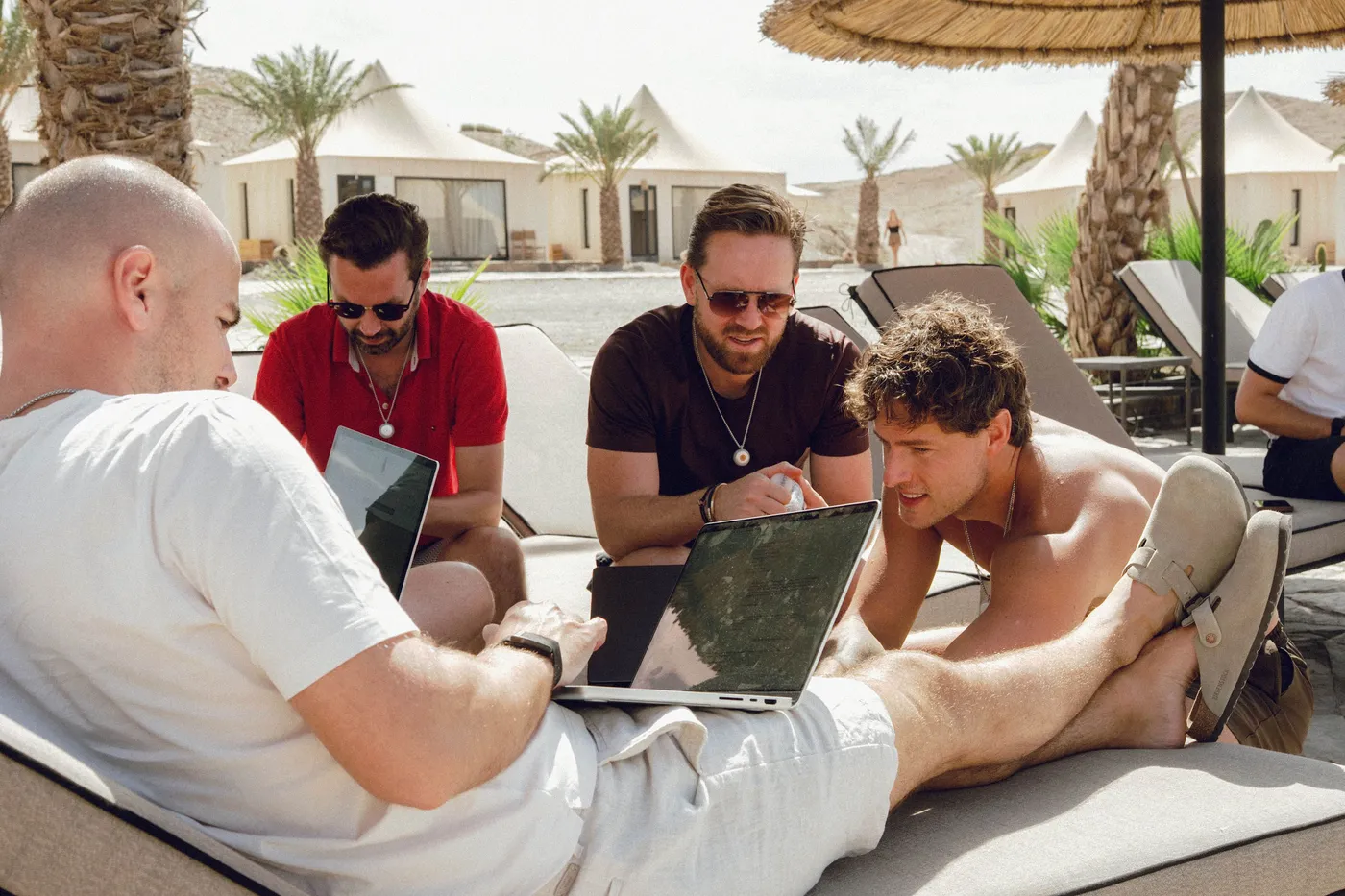
Four participants working together on laptops from the loungers by the pool.
Building from the loungers.

Is it too bold a statement to say that nowadays, execution is a commodity? “I can build it” is no longer the flex it used to be. So the skill set shifts. What makes a good founder today?

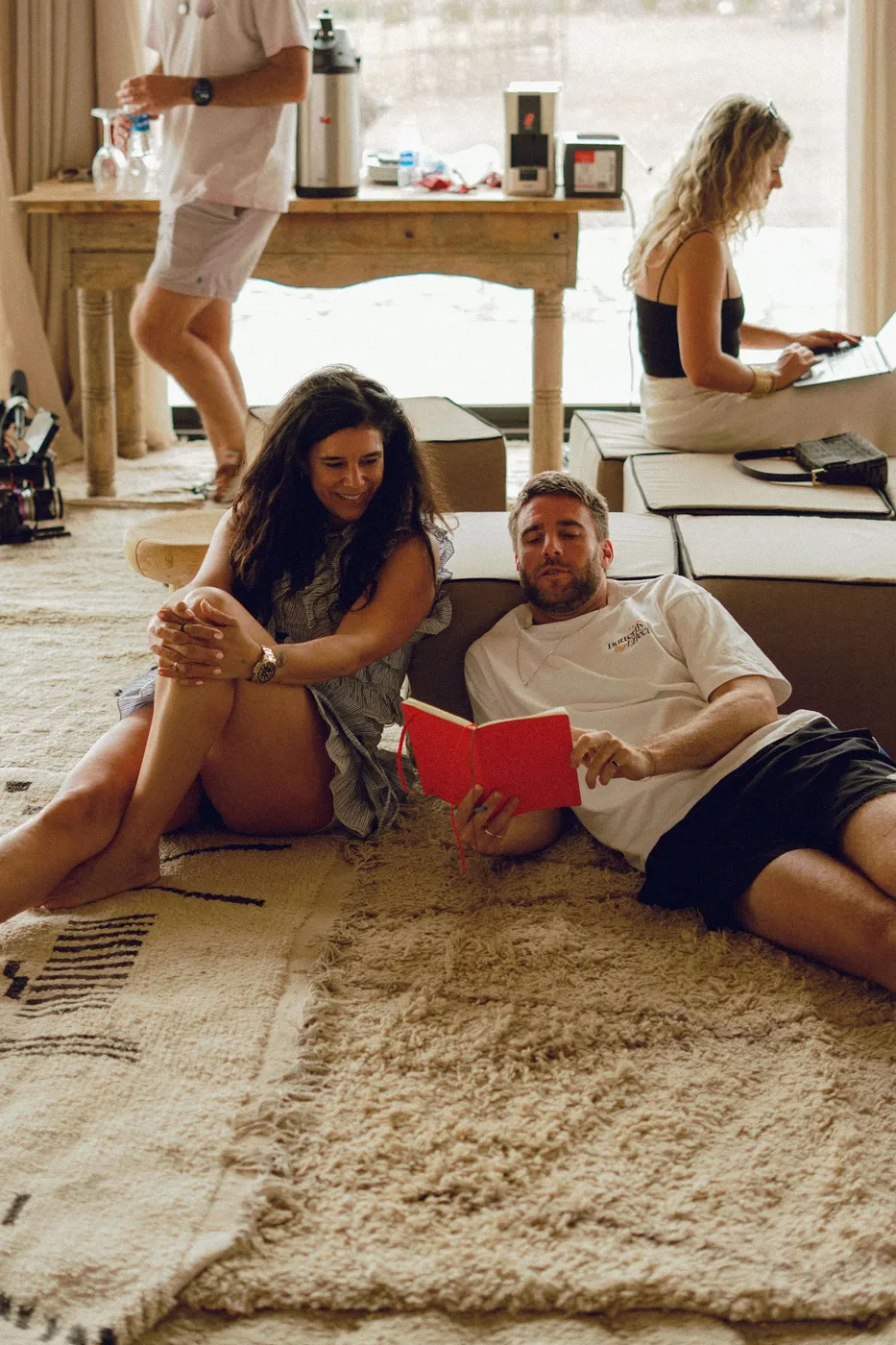
Two participants sit on a rug; one reads aloud from a red notebook.
Notes on the rug.

We don’t know yet, but we’re well on our way to finding out this week.

Two participants present standing in the tent while others listen, seated.
Presenting together.

The one thing we did learn today: when the tools don’t say no, someone else has to. Every idea can be built, but should it be? The limit does not exist. Which is exactly why good founders set their own.

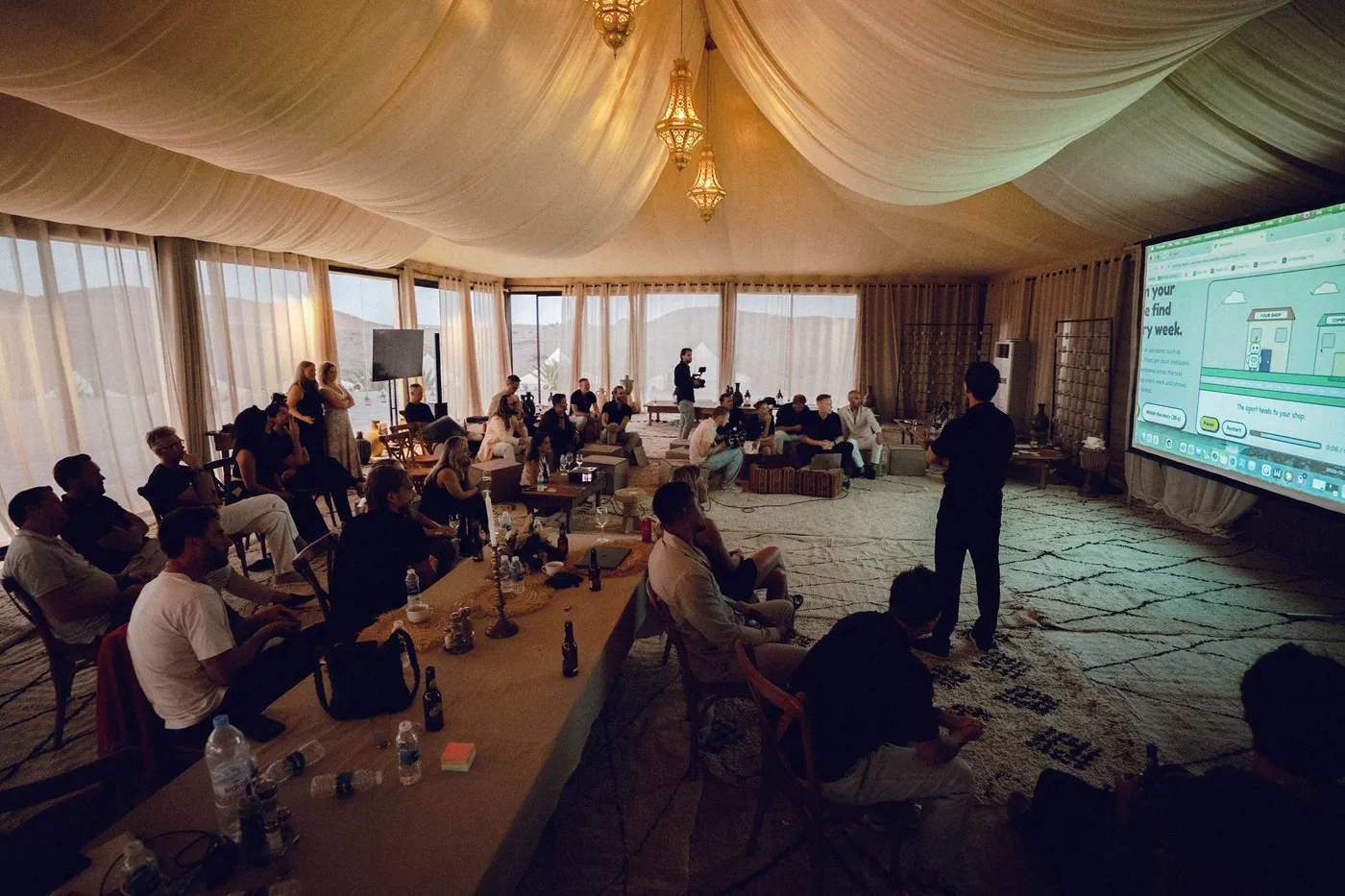
The whole group in the large tent watching a demo on a projection screen.
A demo for the whole group.

Tomorrow: we find out which of these 25 companies still exist when the excitement wears off.

Day 3 — Bot vs human

By Lisette Braakenburg van Backum

Day 3 and we already have 24 companies built and probably more than a dozen ideas still in the pipeline. That’s a lot of demos.

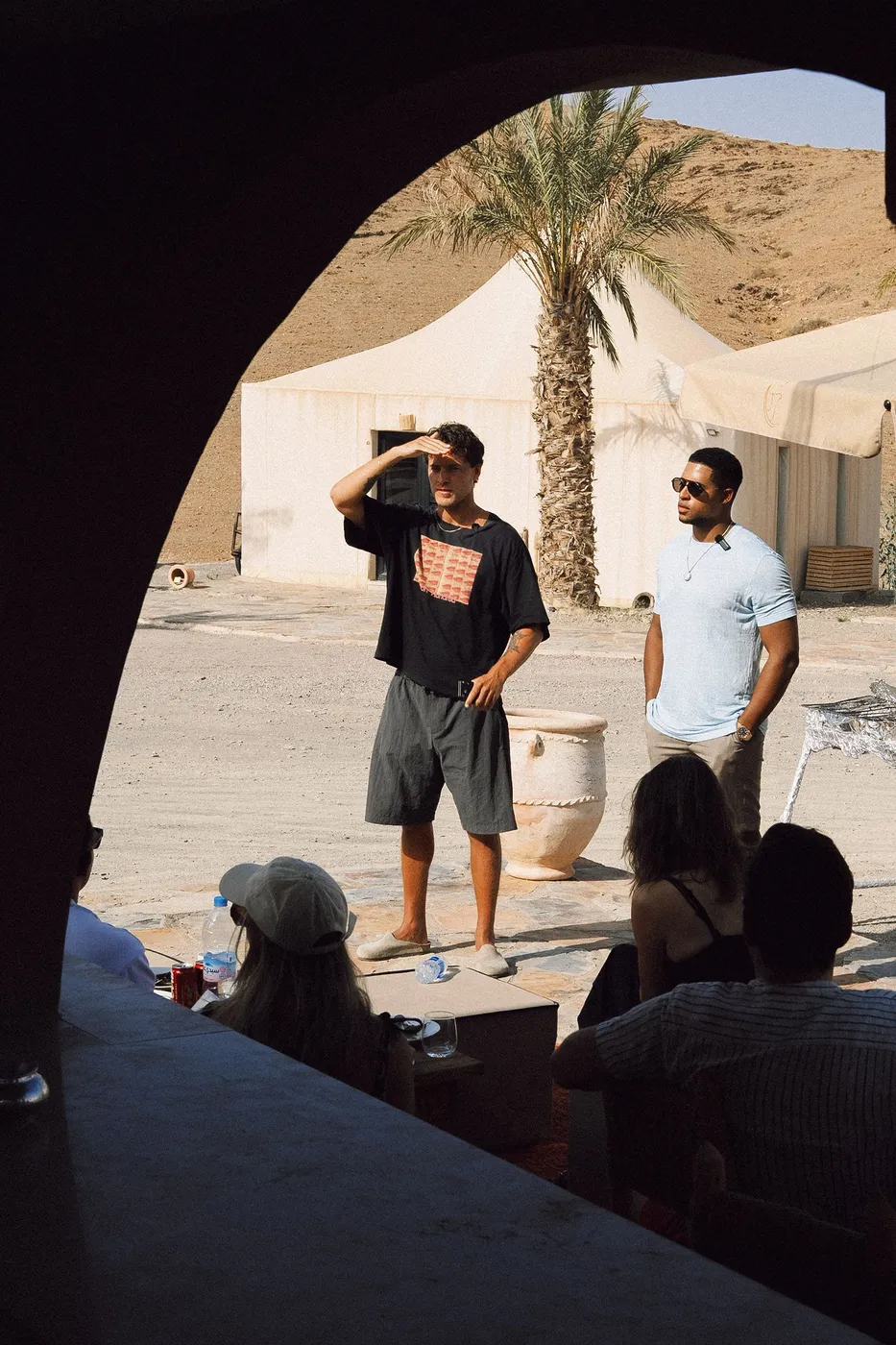
Two participants stand outside under an arch, presenting to the group seated in front of them.
A pitch outside, to the group.

Seeing a new company go from idea to working product in a matter of hours is still super exciting, and the first presentations got a lot of applause and woohoos. But after 20 presentations of fully functioning companies with beautifully thought out designs, you could feel the audience shift. People cut through the facade faster and dive into the actual business model: who’s paying, how much, and why would they?

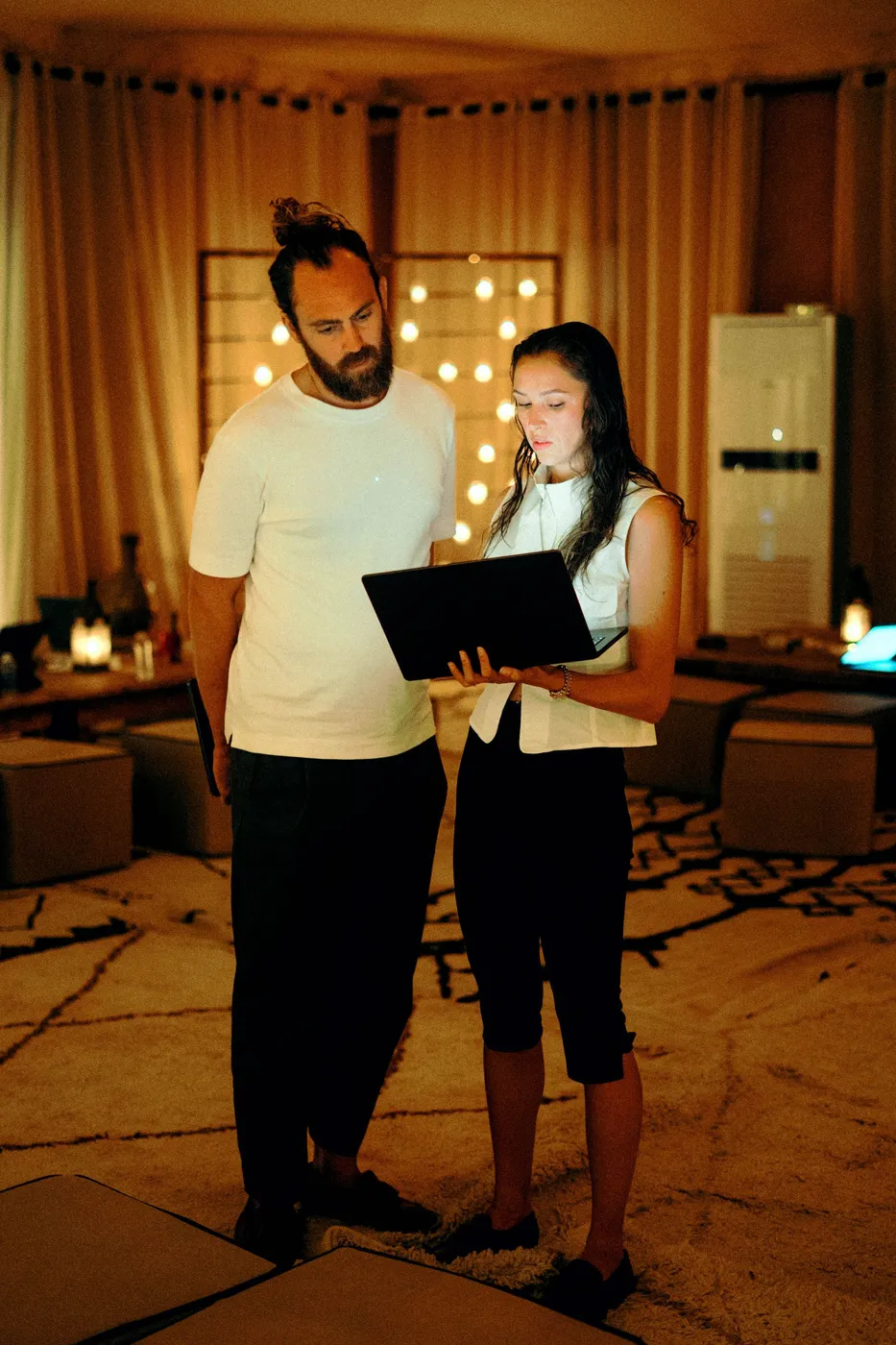
Two participants in the tent in the evening, bent over one laptop together.
Two heads over one screen.

It got particularly interesting when the first founders announced their plans to kill the company they were working on, for different reasons. For some it became clear that while at first the idea may have seemed nice, the actual “edge” of the business was difficult to define. Others simply preferred working on other business ideas. And for one of the companies, it appeared that rules and regulations would make it impossible to continue.

Participants laughing as they drive buggies through the dust, goggles on against the sand.
Out on the buggies.

Mind you, these aren’t just mock-ups we’re killing. These are fully functioning companies, ready to go to market, with a passionate team behind them. But if it won’t work, it won’t work: so we move on.

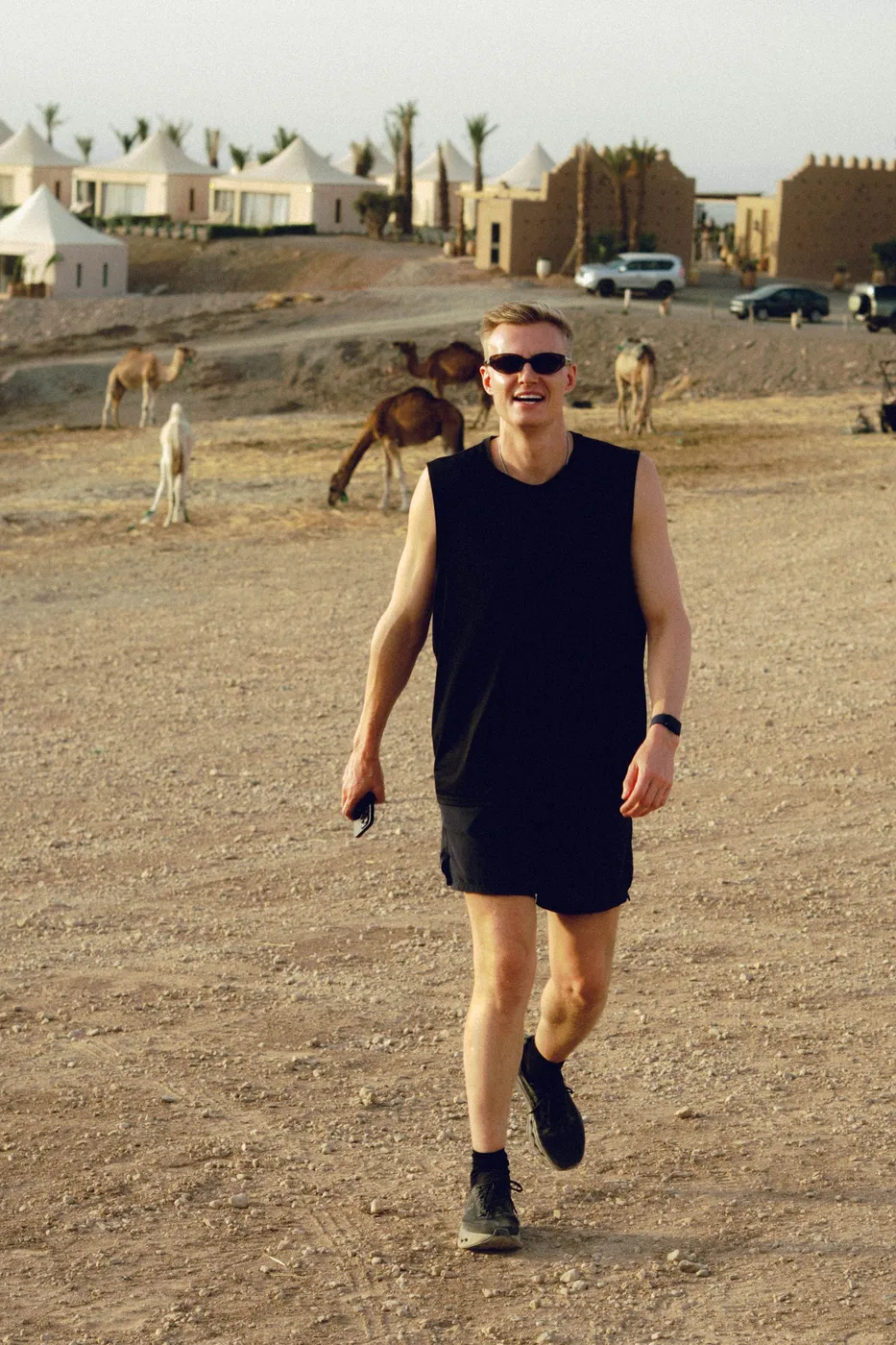
A participant in sunglasses walks across a sandy plain, with buildings in the distance.
A walk in between.

Which brings us back to the question from Day 2: what makes a good founder today? It feels like we’re starting to get an answer, and it has less to do with what you can do than with who you are. Can you get people to believe in something that didn’t exist yesterday? Keep a team together? Convince a customer, an investor, a partner? Keep going when it gets messy? Or decide to kill something that only days before still sparked a fire inside you?

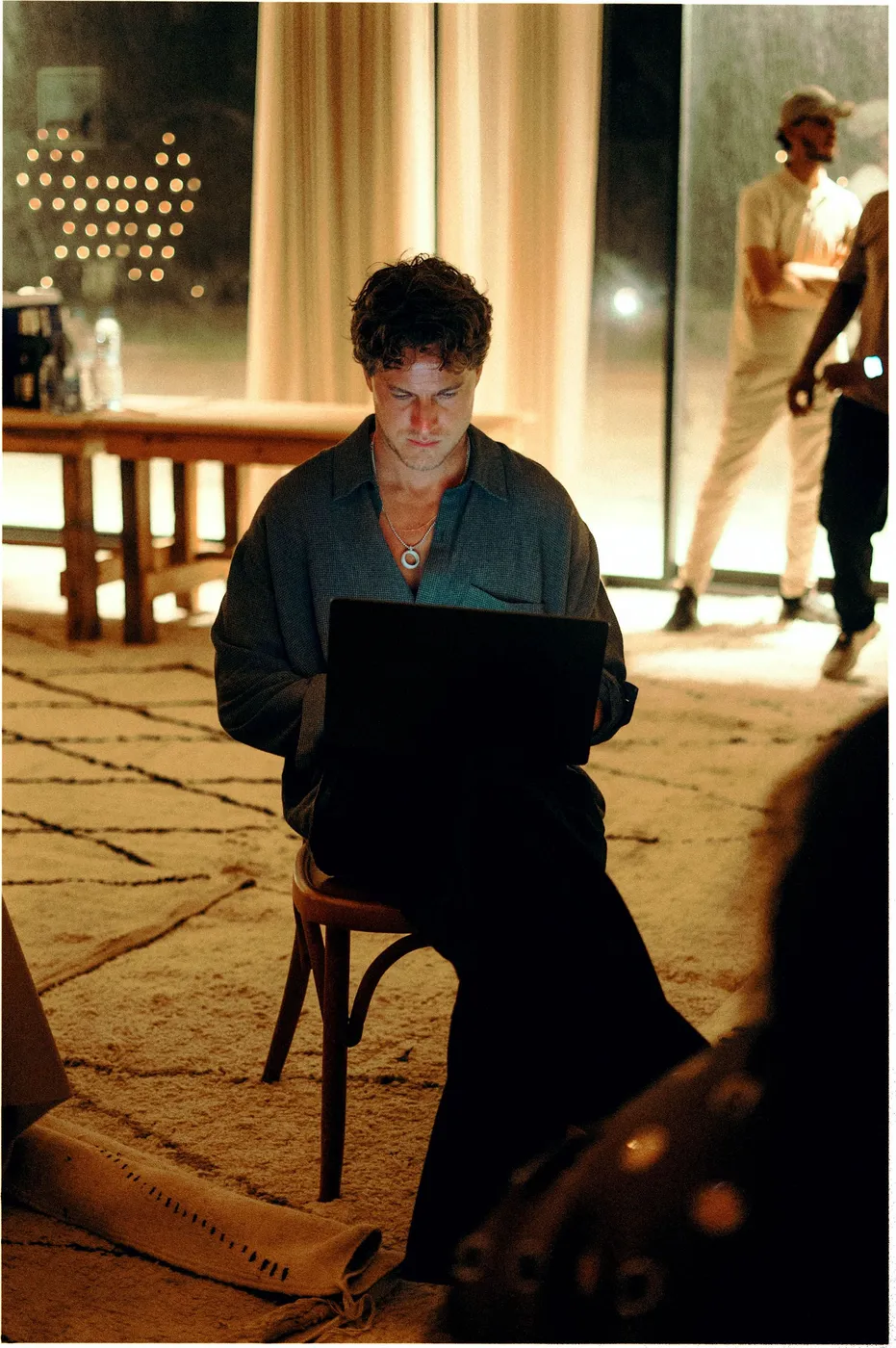
A participant sits alone on a chair in the tent in the evening, working on a laptop.
Working on after dark.

For years it was all about the execution. Now that execution is a commodity, it’s looking like the idea is back. And it brought the founder with it.

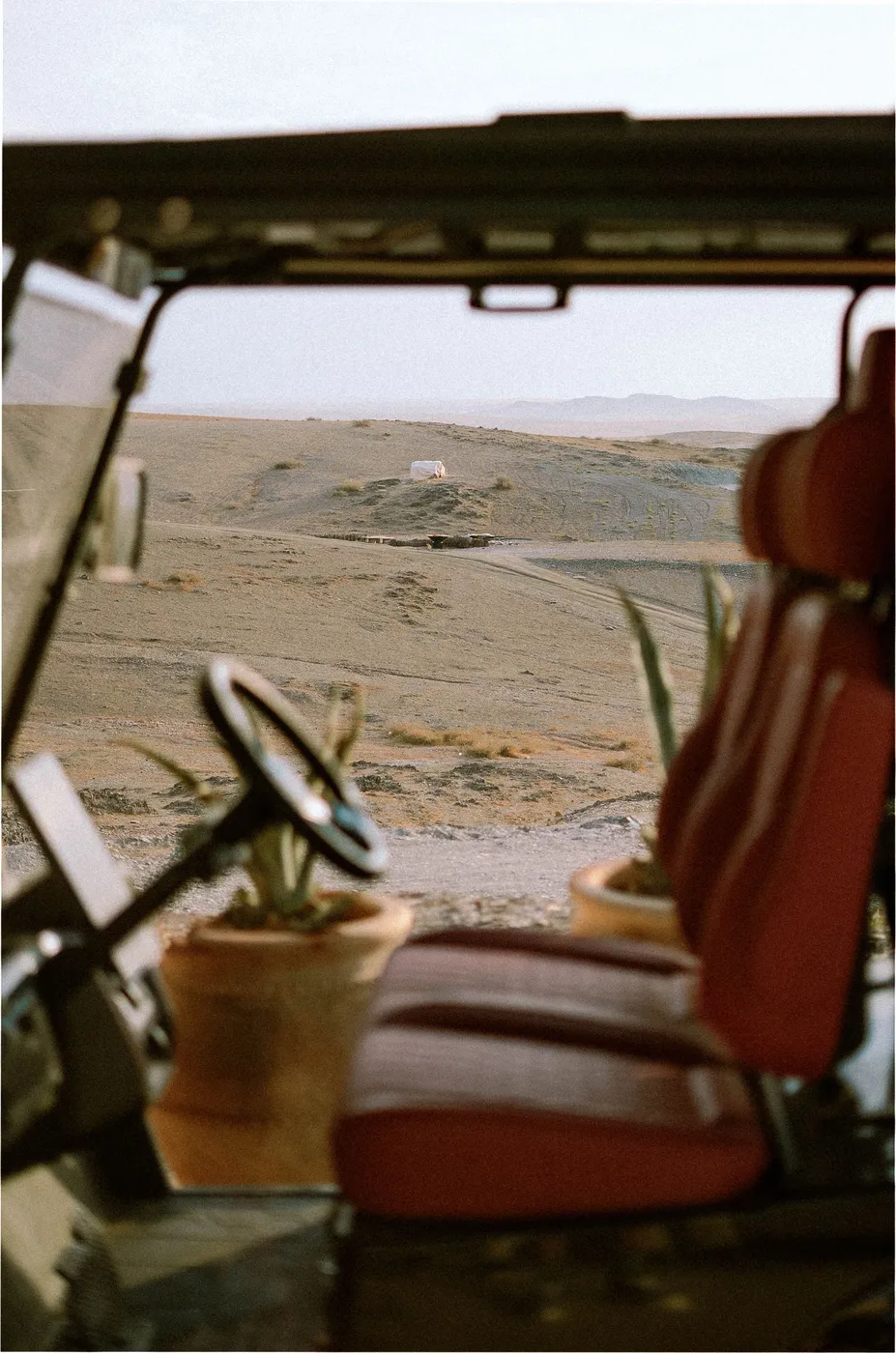
The view from an open off-road vehicle onto a sandy track running into the distance.
The road ahead.

Two more days!